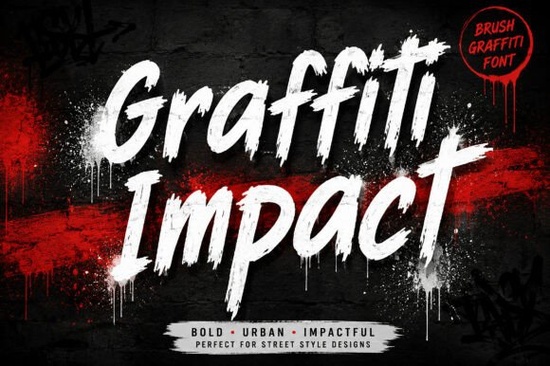
If you’ve ever wanted to bring the raw energy of street art into your designs, Graffiti Impact Font offers a straightforward way to do it. This brush-style typeface captures the spontaneous, hand-painted feel of urban graffiti complete with rough edges, textured strokes, and a bold presence that stands out without trying too hard. Whether you're creating merch for a local skate shop, designing an album cover for an indie hip-hop artist, or putting together social media visuals with attitude, this font gives your work an authentic edge.
Unlike clean, corporate fonts that blend into the background, Graffiti Impact demands attention. It’s not just about looking “cool” it’s about matching the visual language of street culture, music scenes, and youth-driven brands. And because it’s made for real-world use (not just concept art), it scales well across print, digital, and apparel applications.
What kinds of projects work best with Graffiti Impact?
This font shines when used in contexts where personality matters more than polish. Think:
- Streetwear branding – logos, tags, and packaging for urban fashion lines
- Music visuals – mixtape covers, concert posters, or YouTube thumbnails for rap, trap, or lo-fi beats
- Event flyers – block parties, skate competitions, or underground art shows
- Gaming content – stream overlays, team emblems, or in-game UI elements with grit
- Social graphics – Instagram posts or TikTok banners that need instant visual punch
Because of its expressive texture, it’s best used for headlines, short phrases, or logotype not body text. Pair it with a clean sans-serif (like Helvetica or Montserrat) to keep your layout balanced.
How does it compare to other urban-inspired fonts?
Not all graffiti-style fonts feel genuine. Some look too digital, too symmetrical, or overly stylized. Graffiti Impact avoids those pitfalls by preserving the irregularity of real spray-paint lettering. If you like this aesthetic but want alternatives for different moods, you might also explore Temur Amorak, which leans into calligraphic brushwork, or check out Laguna Tropic for a sun-bleached, beach-graffiti vibe.
For contrast, fonts like School House or Senior Teacher offer nostalgic, hand-lettered charm but from a classroom rather than a back alley. Each serves a different creative need, and knowing when to use which makes your designs more intentional.
Is it easy to use for beginners?
Yes. Once installed, Graffiti Impact works like any standard OTF or TTF font in design software such as Adobe Photoshop, Illustrator, Canva, or Affinity Designer. No special plugins needed. The file usually includes both uppercase and lowercase characters, plus basic punctuation, so you can start typing right away.
One tip: because of its heavy weight and textured outlines, avoid using it at very small sizes (below 18pt in print or 24px on screen). The details can blur together, losing that hand-done character. Also, if you’re printing on fabric (like for t-shirts or tote bags), test a swatch first some printers smooth out fine texture, which can mute the font’s roughness.
If you’d like to see how it stacks up against similar options on Creative Fabrica, you can browse the full collection under the display fonts category. For reference, here’s the official listing: Graffiti Impact Font.
When should you not use this font?
Despite its versatility, Graffiti Impact isn’t right for every brand. Avoid it if your project calls for:
- Professional or formal tone (law firms, medical offices, academic reports)
- Minimalist or Scandinavian design aesthetics
- Long paragraphs or readability-focused layouts
- Audiences unfamiliar with or disconnected from urban visual culture
In those cases, a cleaner display font or even a neutral serif would serve your message better.
Ultimately, fonts like Graffiti Impact work best when they align with your audience’s expectations and your brand’s voice. If rebellion, rhythm, or street-level creativity is part of your story, this typeface helps tell it honestly.
Before you download, ask yourself:
- Does my project benefit from a hand-made, imperfect look?
- Am I using it for short, impactful text not body copy?
- Will my output medium (print, web, fabric) preserve its texture?
- Does it match the cultural tone of my brand or client?
If you answered “yes” to most of these, Graffiti Impact could be the missing piece in your next design.
Explore Design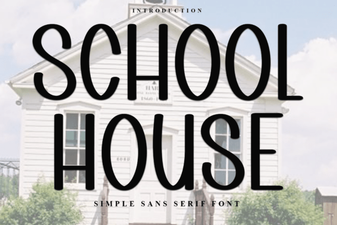 School House Font: Classic Design for Creative Projects
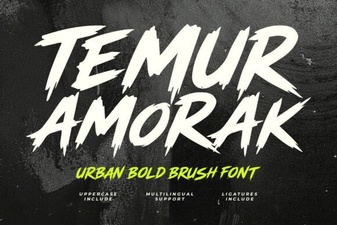 Temur Amorak Font: Bold Brush Script for Urban Designs
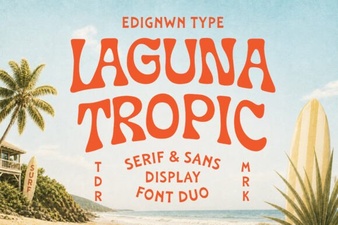 Laguna Tropic Font: Design Inspiration & Projects
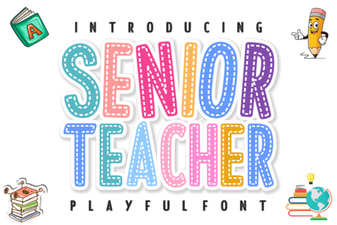 Senior Teacher Fonts: Designs for Educational Excellence
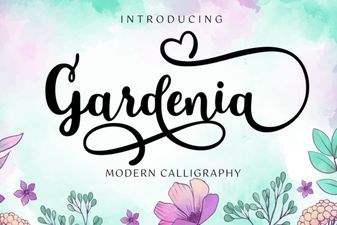 Gardenia Font: Elegant Typography for Modern Projects
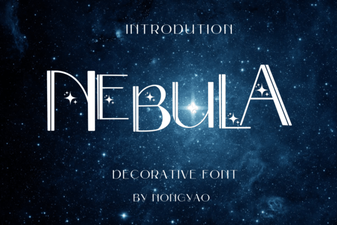 Nebula Font for Design Projects & Creative Layouts