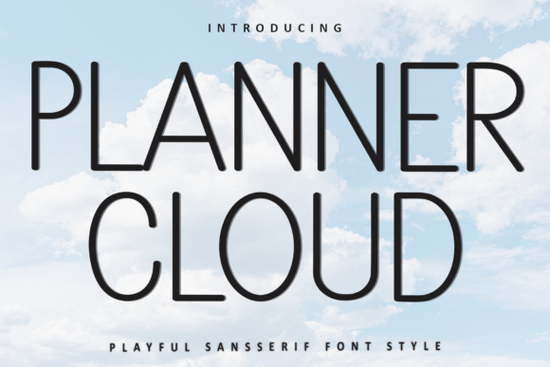
If you're looking for a font that blends softness with personality, Planner Cloud might be just what your next project needs. Designed with gentle curves and thoughtful strokes, it stands out without overwhelming your layout. Whether you’re creating printable planners, greeting cards, or branding for a small business, this font adds warmth while staying readable a balance many sans-serif styles struggle to achieve.
What makes Planner Cloud work well for creative projects?
Unlike rigid geometric sans-serifs, Planner Cloud has subtle organic variations in its letterforms. This gives it a handcrafted feel while maintaining the clean lines expected in modern design. It’s especially effective when you want something friendly but not overly playful ideal for wellness journals, minimalist packaging, or even subheadings in digital content.
Its compatibility across platforms (including Windows and open-source software like Inkscape or Scribus) means you won’t run into rendering issues whether you’re designing on a Mac, PC, or Linux system. And because it includes a full character set with punctuation and numerals styled consistently, you can use it confidently for both short headlines and longer blocks of text where tone matters.
How does it compare to other versatile sans-serif fonts?
If you’ve browsed Creative Fabrica’s collection before, you may have come across options like Goodly Font, which leans more toward crisp neutrality, or One More Font, known for its compact spacing and urban vibe. Planner Cloud sits comfortably between those extremes it’s neither stark nor quirky, but approachable and adaptable.
For example, if you’re making a weekly meal planner template, Goodly might feel too formal, while One More could appear too dense in small sizes. Planner Cloud, by contrast, offers enough visual interest to draw attention without sacrificing legibility at 10–12 pt sizes something crafters and print-on-demand sellers often need when working with limited space.
Where can you actually use this font?
Thanks to its balanced design, Planner Cloud works across a surprisingly wide range of applications:
- Printables: Daily logs, habit trackers, or gratitude journals benefit from its calm presence.
- Branding: Small businesses in wellness, education, or lifestyle niches can use it for logos, social graphics, or packaging labels.
- Crafting: Vinyl cutters and Cricut users will appreciate how cleanly the letters separate no awkward joins or thin stems that break easily.
- Digital products: Use it in Canva templates, eBook covers, or app interfaces where a human touch enhances user experience.
It also pairs well with handwritten or serif fonts if you’re layering typefaces. Try combining it with a delicate script for contrast, or keep things minimal by using only Planner Cloud in varying weights (if available) or sizes.
Is it suitable for commercial use?
Yes when downloaded through Creative Fabrica with a standard license, Planner Cloud can be used in commercial projects, including items you sell online (like Etsy printables or POD mugs). Just be sure to review the specific license terms included with your download, as usage rights can vary slightly depending on your subscription type.
That said, always embed or convert text to outlines when sharing files with clients or uploading to third-party platforms. This prevents font substitution issues and ensures your design looks exactly as intended.
Getting the most out of Planner Cloud
To make your designs feel cohesive, stick to one or two supporting fonts max. If you love Planner Cloud’s aesthetic, you might also enjoy exploring other fonts in the same stylistic family many share that airy, contemporary quality without repeating the exact same forms.
Also, test your layouts in grayscale first. Because Planner Cloud relies on shape rather than heavy weight contrasts, it should still communicate hierarchy clearly even without color. This is especially useful for printable products that may be photocopied or printed in black-and-white by end users.
Before you start your next project, check this quick list:
- ✅ Confirm your software supports OpenType (.otf) or TrueType (.ttf) fonts.
- ✅ Install the font correctly on Windows, right-click and “Install”; on Mac, double-click and use Font Book.
- ✅ Preview it at actual size (not just zoomed in) to assess readability.
- ✅ Pair it with ample white space its softness shines when not crowded.
- ✅ Keep a backup of the original file in case you need to reinstall later.
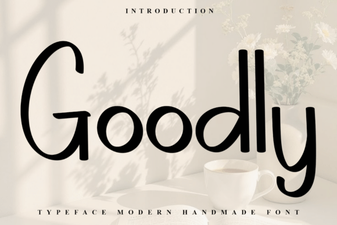 Goodly Font: Creative Typography Ideas & Examples
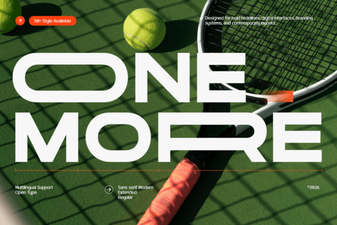 Unlock Your Creative Vision with One More Font
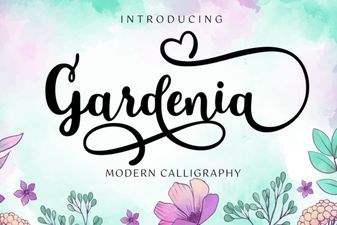 Gardenia Font: Elegant Typography for Modern Projects
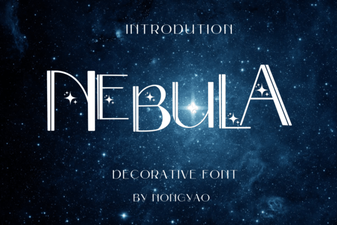 Nebula Font for Design Projects & Creative Layouts
 Designing with Highway Heritage Font
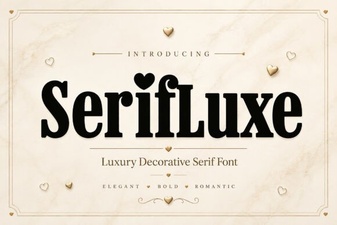 Serifluxe Font: Elegant Typography for Modern Design